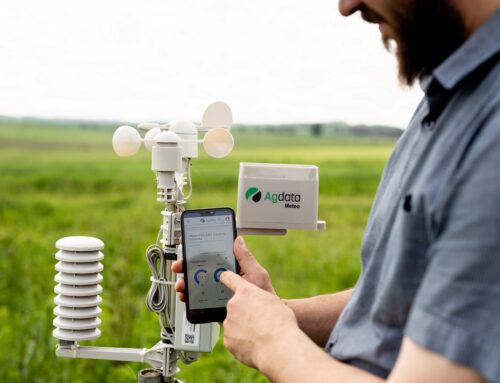
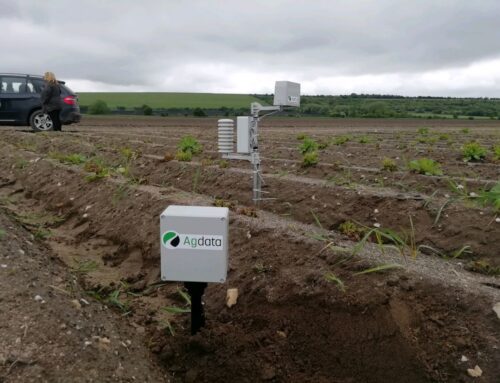
This year's vole calamity highlights, among other things, an interesting fact. Modern technologies – including the prevention of pest overpopulation – are still underutilly used in Czech agriculture. Agdata, the largest supplier of digitization systems for Czech agriculture, points out that calamity could have been avoided in some locations – but there was no monitoring to alert the vole to the presence of the vole in a timely manner. Sensors or satellite tracking of land are a commonly available service.

The problem with the appearance of vole is, among other things, difficult detection. To a certain size, the vole colonies are almost undead. The number of individuals in the colony can probably multiply back in a single month, so by the time the first significant signs of presence appear, it is usually too late.
Regular monitoring of plots is an essential helper for early detection of vole. But there is no time for that because of the lack of human power in agriculture. More and more farmers are therefore helping out with the available technologies, and many of them are starting to use regular satellite mapping. This will make it possible to identify pests almost immediately, even where, on normal patrols, they would escape the cover of vegetation attention.
"If a farmer uses our digital platform, he has the possibility of regular satellite screening of his land. Depending on the weather, it gets a snapshot roughly every five days that will catch the current form of the growing cycle. On this basis, it can easily assess the state of health and quality of the crop," says Lukáš Musil, agricultural consultant at Agdata. "From the data, it is easy to tell which part of the land can be attacked by vole, and then it can deal with the situation immediately before their population explosion occurs."
According to Musil, it is only a matter of time before automated pest monitoring using sensory data and satellite imagery becomes the standard. The operation of the service already makes a playful profit by prevention of damage, and the pressure to implement it is also created by the aforementioned lack of staff.